
Volunteering in a Hospital
Volunteering in a Tanzanian hospital is a powerful way to support local healthcare while learning from dedicated professionals in a completely different setting. Whether you’re a medical student, a qualified nurse, or someone passionate about helping others, your time can make a real difference.
🏥 What you can do
Depending on your background and the hospital’s needs, you might assist with basic tasks, shadow medical staff, help with patient care, or take part in health education. Volunteers with medical training may also help in maternity wards, outpatient clinics, or even in minor procedures—always under supervision.
🤝 Why it matters
Many hospitals in Tanzania face staff shortages, limited equipment, and overwhelming patient numbers. Your presence brings not only extra hands but also encouragement and cultural exchange that is deeply valued.
🧡 A two-way experience
You won’t just give—you’ll also receive. You’ll experience Tanzania’s warmth, resilience, and hospitality, and gain insights that will shape your understanding of global health forever.


Environmental volunteering
Environmental volunteering in Tanzania means joining local efforts to protect and restore the country’s beautiful but threatened ecosystems. As a volunteer, you can contribute directly to nature conservation and climate action while learning about Tanzania’s rich landscapes and communities.
Here’s what environmental volunteering in Tanzania often includes:
🌱 Tree planting – Help restore forests and fight erosion and climate change. Many projects focus on reforesting degraded lands or planting agroforestry trees that support local farmers.
🐝 Beekeeping & biodiversity – Support sustainable honey production that protects bees and helps local communities earn income while preserving native plants.
🗑️ Waste management & cleanups – Join awareness campaigns and help communities reduce plastic pollution and manage waste in smarter
Empowering the Future: Volunteering to Help Unskilled, Out-of-School Youth
In many communities, children, teenagers, and young adults grow up without access to formal education or opportunities to learn essential life and vocational skills. These youth face significant challenges—limited opportunities, social exclusion, and a lack of confidence to shape their own future. At our training center and within surrounding communities, we are committed to changing this reality through the power of volunteering.
What We Do
Our volunteers play a vital role in reaching out to vulnerable youth—those who have never attended school, have dropped out, or have never had the chance to develop basic skills. We work in local communities and at our dedicated training center, creating safe and inclusive spaces where these young people can learn, grow, and dream.
Through hands-on teaching, mentoring, and support, we offer:
-
Basic literacy and numeracy classes
-
Life skills training (communication, hygiene, goal setting, self-confidence)
-
Vocational and practical skills (such as sewing, carpentry, computing, cooking, farming, and more)
-
Creative workshops (art, music, drama, storytelling)
-
Mentorship and emotional support
Why it’s Important
Many of these youth have been left behind—not due to lack of potential, but lack of opportunity. By volunteering, we offer them more than knowledge—we give them dignity, hope, and the tools to create a better life. Every class taught, every hand held, every moment of guidance can change a life.
Volunteering in Agriculture in Tanzania: Growing Skills, Growing Futures
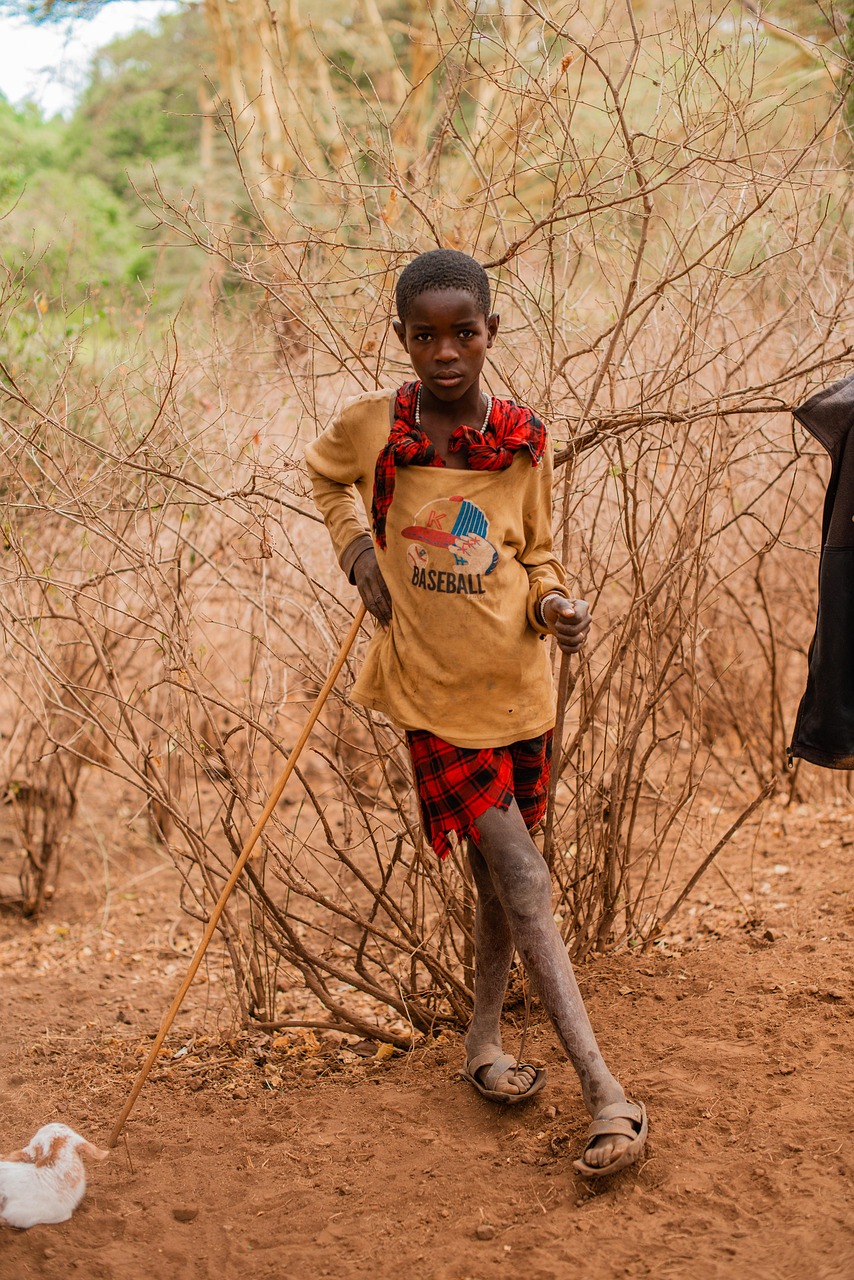
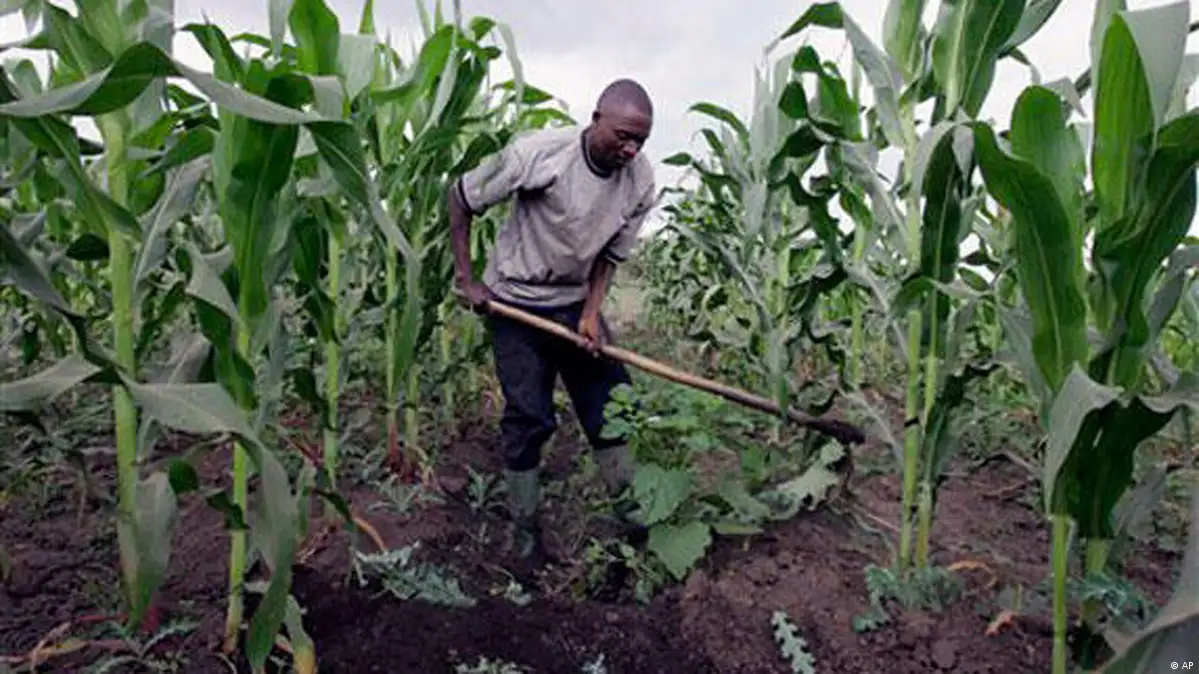
In Tanzania, agriculture is not just a way of life—it’s the backbone of the economy and a vital source of income for millions. Yet many young people today lack the knowledge, resources, and opportunities to engage in farming as a viable and sustainable livelihood. We’re working to change that—one field, one seed, one young person at a time.
Our Mission
Through our agricultural training program, we offer unskilled and out-of-school youth a chance to reconnect with the land and build practical skills for self-reliance. With access to dedicated plots of land, young people learn how to grow crops, manage soil, raise animals, and understand farming as a business.
The Role of Volunteers
Volunteers are at the heart of this initiative. Whether you’re an experienced farmer, a student of agricultural science, or simply someone who wants to contribute, you can help in many meaningful ways:
-
Teaching sustainable farming techniques
-
Supporting daily farm activities (planting, weeding, harvesting)
-
Sharing knowledge about soil health, composting, pest control, and irrigation
-
Helping set up small agri-business ideas (e.g., poultry, beekeeping, vegetable gardens)
-
Mentoring youth on entrepreneurship and financial literacy in agriculture
The Impact
In a world where many young people are turning away from farming, we see agriculture as a powerful tool for empowerment. It teaches responsibility, patience, teamwork, and resilience. It also provides a pathway out of poverty for youth who have never had formal education or job training.
By volunteering, you’re not just growing crops—you’re planting seeds of change.
Our Land, Their Classroom
The land we cultivate is more than soil—it’s a living classroom. Here, young people get their hands dirty, learn by doing, and gain confidence in their ability to provide for themselves and their communities.
Volunteering at a Preschool: Giving Every Child a Strong Start
In communities where poverty is widespread, early childhood education is often out of reach. Many families simply cannot afford school fees, supplies, or uniforms. As a result, their children miss out on the critical early years of learning, play, and development. This preschool was created to change that.
A School with a Heart
The preschool offers free education to children from the poorest families—those who would otherwise be left behind. Here, children aged 3 to 6 receive love, care, and a strong educational foundation in a safe and nurturing environment.
We focus on:
-
Basic literacy and numeracy
-
Social and emotional development
-
Health, hygiene, and nutrition
-
Creative play, music, and storytelling
-
Preparing children for primary school
The Role of Volunteers
Volunteers bring joy, energy, and much-needed support to our daily work. Whether you’re trained in early childhood education or simply have a love for children, you can make a real impact by:
-
Assisting teachers in the classroom
-
Leading activities like art, games, music, or reading
-
Helping with meals, hygiene routines, and outdoor play
-
Giving individual attention to children who need extra support
-
Sharing warmth, patience, and encouragement

Join Us
Volunteering at our preschool is more than teaching ABCs. Instead, it’s about creating a future full of hope, dignity, and opportunity. Every smile, every game played, and every story read contributes to a much bigger, lasting change.
So, come be part of something meaningful. Together, we can build brighter beginnings for children and stronger futures for their families.
More Than a School: Supporting Families
We know that helping children also means supporting their parents. That’s why our mission goes beyond the classroom. While the children are learning, we work closely with their parents—especially mothers—to provide the following support:
-
Vocational training and skill development
-
Small business support and mentorship
-
Job placement assistance
-
Financial literacy and personal development workshops
Ultimately, our goal is to break the cycle of poverty by empowering entire families, not just educating their children. In addition, we equip parents with skills to build stable, independent lives.
Why a Volunteer in Tanzania pays Costs
Being a volunteer in Tanzania can be an incredibly rewarding experience. However, like most international programs, it involves some costs. Therefore, understanding these costs—and why they are necessary—helps you prepare for a meaningful, well-supported experience. In turn, this preparation allows you to make a real difference in the lives of the people you support.
Program Fees and Administration Costs
Many volunteer programs, especially those in Tanzania, charge a fee to cover the administrative and logistical aspects of organizing your placement. These fees help ensure that the program can:
-
Secure appropriate placements for volunteers
-
Provide pre-departure support, such as orientation and cultural training
-
Maintain communication with local communities and project partners
-
Help you with legal requirements like visas and permits
These fees help to ensure a smooth, safe, and well-organized experience, both for volunteers and the local communities they serve.
Accommodation and Meals
Tanzania is a beautiful country. However, living and working in rural or underdeveloped areas can be challenging for volunteers. Often, this means staying in local, budget accommodations with limited infrastructure, unlike luxury hotels. As a result, volunteer program fees help cover essential needs, including:
-
Safe, clean, and basic accommodation (hostels, homestays, dormitories, or simple volunteer housing)
-
Meals, which are often locally sourced to support sustainable farming and food systems
Health and Safety Support
The safety and well-being of volunteers are top priorities. Volunteers will often need insurance coverage (health, travel, and accident) for their time abroad. Additionally, in countries like Tanzania, volunteers may need vaccinations or health preparations before departure. Program fees typically cover:
-
Pre-trip health and safety advice
-
Emergency medical support and local clinics (for minor issues or routine care)
-
Ongoing assistance from program staff to ensure safety while volunteering
Supporting Local Communities
Your contribution through volunteer fees doesn’t just cover your experience—it helps directly support the community initiatives you’re working with. The funds go toward:
-
Local salaries for staff, teachers, and mentors working alongside volunteers
-
Educational materials, tools, and supplies for projects (like schoolbooks, farming equipment, or vocational training kits)
-
Program development and long-term sustainability efforts, ensuring the projects continue to thrive even after volunteers leave
By volunteering, you’re helping to fund the ongoing needs of the community and ensuring that these vital projects can continue to grow and impact more lives.
Travel and Logistics
While some of the logistics may be arranged by the volunteer program, volunteers typically need to cover their own travel costs—such as flights, travel insurance, visa fees, and other transportation costs. While this can vary depending on the program and the location, it’s an important consideration when planning your trip.
Why It’s Worth It
While volunteering in Tanzania involves financial commitment, the costs go toward a truly life-changing experience—for both volunteers and the communities they serve. You are not only providing hands-on support for underprivileged youth, families, and communities, but you also get the opportunity to immerse yourself in Tanzanian culture, learn new skills, and make lifelong memories.
In the end, your contributions—both through time and resources—will have a lasting impact on the people of Tanzania, helping build stronger futures for the youth and families that need it the most.
Cost Volunteering
-
$200 One-Time Fee: This covers administration costs, airport transfer, and an introduction to the project. It also includes a contribution to the community project you will be supporting.
-
$20 per Day: This includes accommodation, breakfast, and dinner, ensuring you have a comfortable stay while living in the local community.
Optional Safari or Climbing Adventures
In addition to your volunteer experience, Tanzania offers some of the world’s most breathtaking adventures. We collaborate with eSafari Africa, a tour company that supports the school and helps single mothers in the community.If you’re interested in exploring more of the country’s natural beauty, we offer optional packages for:
-
Safari Tours: Discover Tanzania’s incredible wildlife by visiting renowned national parks like the Serengeti, Ngorongoro Crater, and Tarangire.
-
Mount Kilimanjaro Climb: For those seeking a challenge, you can trek to the summit of Africa’s highest peak, Mount Kilimanjaro.
These activities are not included in the volunteer fees but can be arranged at an additional cost. It’s a fantastic opportunity to experience Tanzania’s vibrant landscapes and wildlife while making the most of your time here.
- 4 days budget/camping safari $ 750 p.p.
- 5 days budget/camping safari $ 950 p.p.
- 6 days budget/camping safari $ 1100 p.p.
- 5 days Marangu Route $ 1400
- 6 days Marangu (or any other Route $ 1600
For more information, other safaris, and/or different routes, please contact eSafari Africa.


